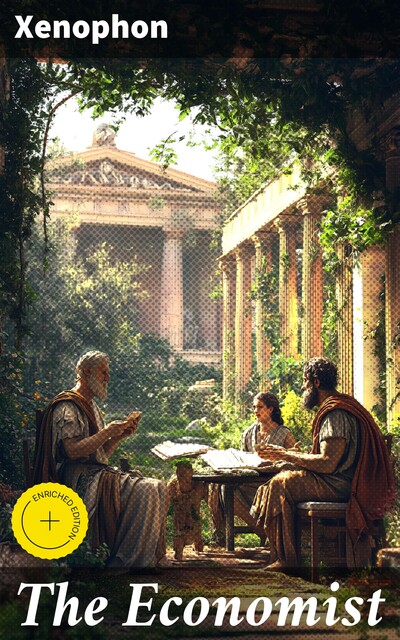
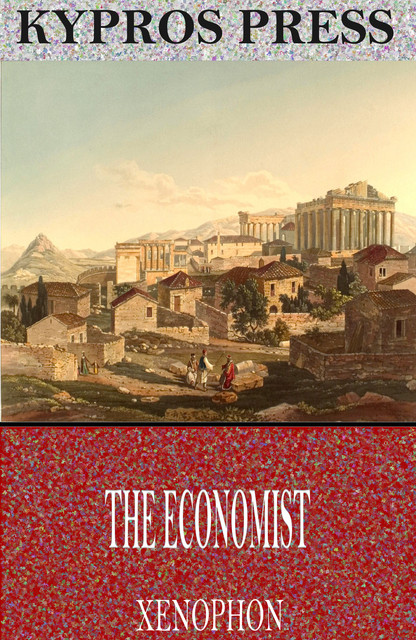
In “The Economist,” Xenophon masterfully explores the dynamics of household management and the broader implications of economic activity within the context of ancient Greek society. Written in a clear and engaging prose style, this work combines elements of philosophy, practical advice, and moral consideration, reflecting the Socratic method of inquiry. Through dialogues and anecdotes, Xenophon elucidates the importance of effective management, not just within the oikos (household) but as a reflection of civic responsibility and social order in aristocratic Athens. The text serves as both a manual for effective economic stewardship and a philosophical treatise on the virtues of a well-regulated household. Xenophon, a student of Socrates, was profoundly influenced by his philosophical mentors and his experiences as a soldier and a historian. His personal background in both the political turmoil of his time and firsthand observations of different economic systems shaped his understanding of household economics and its relevance to broader societal structures. His diverse experiences in leadership and governance provide a rich context for his insights in this work. “The Economist” is highly recommended for readers interested in the intersections of economics, ethics, and daily life in antiquity. It offers timeless wisdom relevant to contemporary discussions about management, responsibility, and the role of individuals within the fabric of society. Scholars, students, and anyone curious about the foundations of economic thought will find this work both enlightening and enjoyable.
In this enriched edition, we have carefully created added value for your reading experience:
— A succinct Introduction situates the work's timeless appeal and themes.
— The Synopsis outlines the central plot, highlighting key developments without spoiling critical twists.
— A detailed Historical Context immerses you in the era's events and influences that shaped the writing.
— An Author Biography reveals milestones in the author's life, illuminating the personal insights behind the text.
— A thorough Analysis dissects symbols, motifs, and character arcs to unearth underlying meanings.
— Reflection questions prompt you to engage personally with the work's messages, connecting them to modern life.
— Hand‐picked Memorable Quotes shine a spotlight on moments of literary brilliance.
— Interactive footnotes clarify unusual references, historical allusions, and archaic phrases for an effortless, more informed read.


 The Thirty Tyrants (404–403 BCE), led by figures such as Critias and Theramenes, ruled with Spartan backing, executing opponents and confiscating property. Civil strife culminated when Thrasybulus seized Phyle and then the Piraeus; battles at Munychia and the Piraeus toppled the oligarchy. Confiscations and exile reshaped estates and households across Attica. Oeconomicus’s attention to loyalty, oversight, and the selection of trustworthy stewards resonates with a society traumatized by betrayal and seizure. The dialogue’s emphasis on cultivating reliable human capital within the oikos mirrors urgent post-tyranny concerns about protecting property and rebuilding networks of trust.