
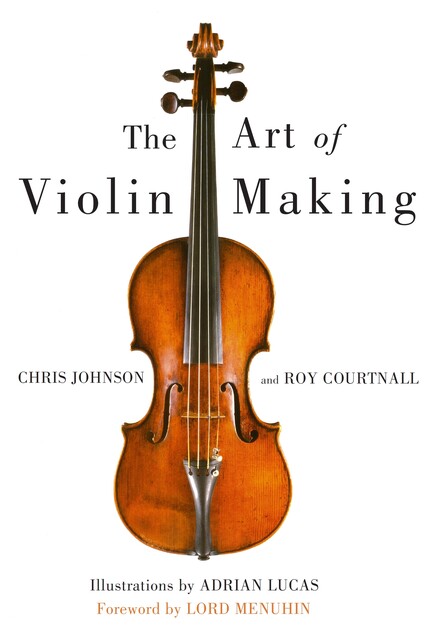
Art of Violin Making
- Holguín Luthierhar citeretfor 8 måneder siden
 Perhaps there was a division of labour, with the sons and other assistants roughing out the work, which could then have been completed by the master himself.
 - Holguín Luthierhar citeretfor 8 måneder sidenThe ‘Salabue’ Stradivari is important and fascinating because it is so well preserved and has many detailed and characteristic similarities with other instruments the master made during each of the periods throughout his working life
- Holguín Luthierhar citeretfor 8 måneder sidenA well-known violin of this period is the ‘Betts’ of 1704.
- Holguín Luthierhar citeretfor 8 måneder sidenThe Amatese period continued for twenty-five year
- Holguín Luthierhar citeretfor 8 måneder sidenat this time Stradivari used local wood from Lombardy.
- Holguín Luthierhar citeretfor 8 måneder sidenhis work has tended to be overshadowed historically by surrounding circumstances. He would have been in competition with some eminent makers – Antonio Stradivari, Joseph Guarneri, Carlo Bergonzi and others
- Holguín Luthierhar citeretfor 8 måneder sidenBoth Jacob Stainer and Stradivari are often assumed to have been Nicolò’s pupils, although the evidence in support of this is not conclusive. Both were clearly influenced by Nicolò’s work.
- Holguín Luthierhar citeretfor 8 måneder sidenNicolò’s workmanship has been acknowledged as being amongst the very best: ‘No maker, not even Stradivari, cut finer f-holes
- Holguín Luthierhar citeretfor 8 måneder sidenHe is remembered for the design of his ‘Grand Pattern’ violin
- Holguín Luthierhar citeretfor 8 måneder sidenOne outcome of the plague was that Nicolò became a wealthy man with new responsibilities. At the age of only thirty-five he was the owner of the most important violin enterprise in the country. As the senior family member, he was now responsible for the welfare of those relatives left widowed or orphaned.
fb2epub
Træk og slip dine filer
(ikke mere end 5 ad gangen)